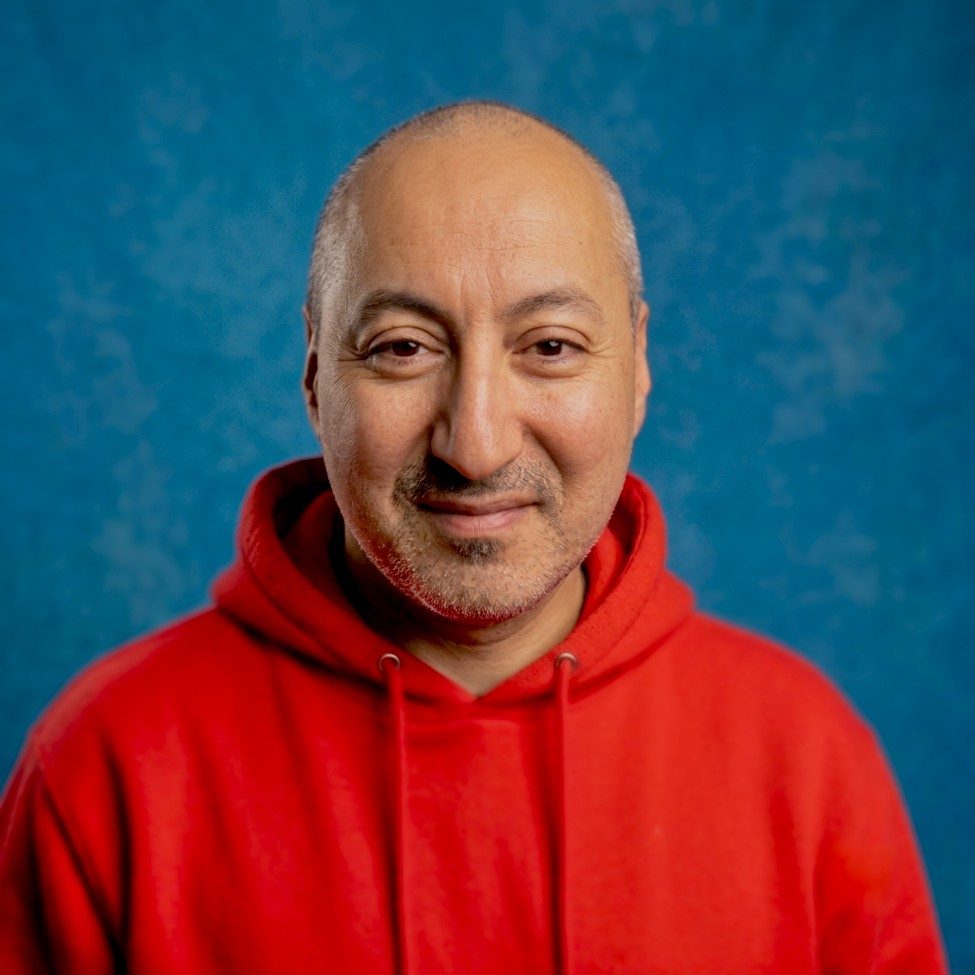

I am Zonkatron, and in this article, I am laying out my psychic predictions about the medical future of cancer cures.
First of all…
When we talk about the fight against cancer, humanity naturally longs for a single, revolutionary breakthrough—a “magic bullet” pill or shot that wipes out the disease once and for all.
However, as medical science advances, the reality of what a future “cure” looks like is taking a vastly different, more complex shape. The future of oncology will not be defined by a single miracle drug discovered in a laboratory, but by a high-stakes race against time.
To understand why a universal cure is a biological impossibility, we must first examine what cancer actually is.
Cancer is not a single disease like smallpox or polio; it is an umbrella term for more than 200 distinct diseases with entirely different cellular mechanisms. At its core, cancer occurs when normal cells mutate, escape the body’s natural regulatory checks, and multiply uncontrollably. Because every individual’s DNA profile is unique, every tumor is fundamentally distinct from any other.
Furthermore, cancer cells are hyper-adaptive entities capable of rapid evolution. Under the selective pressure of treatments like standard chemotherapy, targeted drugs, or immunotherapy, tumors frequently mutate to develop resistance to those exact interventions.
Because cancer is essentially a byproduct of biological aging, cellular replication, and genetic mutation, science will never create a single, static treatment that eliminates every variation of every tumor type across 100% of the human population.
Zonkatron Prediction
While a single universal drug is out of reach, the next few decades will yield a different kind of monumental victory.
In roughly 30 years, the global medical community will make a historic declaration: virtually all cancers can be cured.
This milestone will reflect decades of exponential growth in biotechnology, molecular biology, and computational medicine, marking one of the greatest technological achievements in human history.
However, this declaration will come with a massive, non-negotiable caveat: the cancer must be caught at an early stage. Driven by advancements in liquid biopsies, multi-cancer early detection (MCED) blood tests, and predictive AI, diagnostic tools will routinely detect micro-fragments of circulating tumor DNA long before a tumor is visible on a scan or causes physical symptoms.
If an individual undergoes comprehensive, state-of-the-art screening every single year, medical intervention will catch malignant mutations at Stage 0 or Stage 1. At these microscopic levels, precision gene editing, targeted mRNA vaccines, and tailored immunotherapies will reliably eradicate the threat before it takes root. Annual vigilance will effectively render cancer a manageable, curable nuisance for those who stay ahead of the clock.
The devastating trade-off lies in what happens when that clock runs out. If someone skips their annual screenings and a cancer progresses to Stage 3 or Stage 4, the malignant cells will spread, mutate beyond control, and render cures functionally impossible. In 30 years, “curing cancer” will no longer be a triumph of late-stage emergency medicine, but a privilege of constant diagnostic surveillance.
This heavy reliance on early detection leads directly to a sobering reality for healthcare distribution, particularly within the United States. Thirty years from now, early-detection technology will remain complex and expensive. Annual full-body screening regimens—combining whole-genome sequencing, advanced liquid biopsies, and high-resolution AI scans—will likely be locked behind high-tier insurance plans and steep direct out-of-pocket costs.
In the United States
Zonkatron predicts that only roughly 45% of the general population will be able to afford these regular, lifetime cancer screening protocols. This privileged demographic will enjoy near-complete immunity from fatal cancer diagnoses, catching every anomaly early enough to receive effective, personalized therapies that guarantee full remission.
Meanwhile, the remaining 55% of the population—the uninsured, underinsured, and economically disadvantaged—will be left behind by this diagnostic revolution.
As a result, over half of all Americans diagnosed with cancer in 30 years will still face fatal outcomes, not because the science to save them does not exist, but because they were priced out of the essential diagnostic window. The future cure for cancer will ultimately fail not in the laboratory, but in the realm of economic equality.


Leave a Reply