
How much acid is the cause of acid reflux
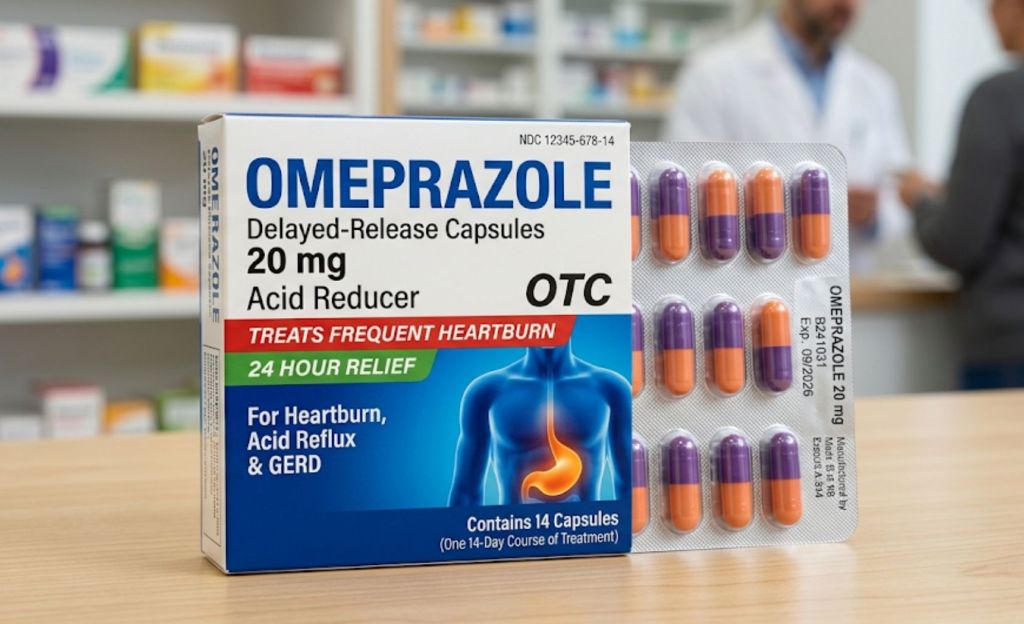
For nearly a century, the medical consensus has been built on the “excess acid” theory. If it burns, there must be too much, right? This led to the blockbuster era of Proton Pump Inhibitors (PPIs) and antacids, which operate on a “scorched earth” policy—shutting down the production of hydrochloric acid (HCl) to protect the delicate lining of the esophagus.
Holistic Medicine
The messy part is that many practitioners, especially in functional medicine, argue we’ve got it backwards. They point to the “Hypochlorhydria” hypothesis, which suggests that reflux is often caused by low stomach acid. Think of it like this: your Lower Esophageal Sphincter (LES) is a pressure-sensitive valve. It needs a high-acid environment to signal it to snap shut. If your acid is too weak, the valve stays loosey-goosey. Then, food sits in your stomach too long, begins to ferment and putrefy (gross, I know), creates gas pressure, and forces that weak, “un-signaled” valve open, splashing what little acid you have onto your throat.
The History
History gives us some wild examples of how our approach has flipped. In the early 20th century, doctors like Dr. Betz actually treated “indigestion” by prescribing HCl drops. It was a common remedy! But by the 1970s and 80s, the pharmaceutical industry shifted toward acid suppression. The discovery of H. pylori by Barry Marshall and Robin Warren—who famously drank a beaker of the bacteria to prove it caused ulcers—solidified the idea that we needed to manage the “environment” of the stomach by keeping it less acidic to allow the lining to heal from bacterial damage.
Apple Cider Vinegar
One of the most famous case studies in this debate involves the “Apple Cider Vinegar” (ACV) phenomenon. You’ll find thousands of anecdotes online of people who were on PPIs for years with no luck, only to find that taking a shot of acidic vinegar before a meal stopped their reflux instantly. While this isn’t a clinical trial, it supports the “Low Acid” camp’s theory: by adding acid, you’re helping the LES close and the food digest, preventing the “back-up” that causes the burn in the first place.
The age factor
Statistically, our production of stomach acid naturally declines as we get older (a condition called achlorhydria). However, the incidence of GERD and acid reflux actually increases with age. If reflux were strictly a “too much acid” problem, 80-year-olds would have the most “bulletproof” esophaguses in the world, and teenagers would be the ones constantly reaching for the Tums. This statistical mismatch is a primary weapon used by those arguing for an “increase” in acid support.
We also have to talk about the “Bacterial Overgrowth” messy reality. When you decrease your stomach acid—either naturally or through medication—you lose your primary disinfection barrier. Acid is there to kill the nasty stuff on your salad. Without it, you can develop SIBO (Small Intestinal Bacterial Overgrowth). These bacteria produce hydrogen and methane gases that bloat the stomach and put even more pressure on that LES valve. It’s a vicious cycle: low acid leads to gas, gas leads to reflux, and we treat the reflux by… lowering the acid even more.
Zollinger-Ellison Syndrome
Let’s look at the “Zollinger-Ellison Syndrome” case. This is a rare condition where tumors cause the stomach to produce massive, dangerous amounts of acid. People with this condition have severe, life-threatening ulcers. This proves that “Too Much Acid” is a real, clinical thing. However, proponents of the “Increase Acid” side argue that we are treating the general population as if they all have this rare overproduction, when most people are actually suffering from lifestyle-induced “Low Acid” states caused by stress, zinc deficiency, or processed diets.
The “Heidelberg Test”
The controversy gets even weirder when you look at how we test for it. The “Heidelberg Test” is the gold standard—you swallow a tiny electronic capsule that radio-telemeters your pH levels in real-time. Often, people who have been told they have “High Acid” discover during this test that their pH is actually too high (meaning it’s not acidic enough). This creates a massive clinical gap where millions of people might be taking medication that addresses the symptom (the burn) while potentially worsening the cause (the lack of digestion).
The “Nutrient Absorption” angle!
To absorb Vitamin B12, calcium, magnesium, and iron, your stomach must be highly acidic (pH of about 1.5 to 3.0). Long-term case studies of people on chronic acid blockers show increased risks of bone fractures and anemia. This has led to a “middle ground” movement where some doctors suggest we should focus on mechanical issues—like hiatal hernias or obesity-related pressure—rather than just nuking the chemistry of the stomach.
Ultimately, the debate is a mess because both sides are right depending on the individual. If you have an active stomach ulcer or a “hot” esophagus (Barrett’s Esophagus), you absolutely need to decrease acid to prevent cancer and allow healing. But for the average person with “sluggish” digestion, the “increase” crowd argues that supporting acid is the only way to fix the root cause.
It’s a classic medical tug-of-war between immediate symptom relief and long-term physiological optimization.
 Zonkatron
Leave a comment